

A very interesting article about growing food in Svalbard, a spot midway between the north of Norway and the North Pole. The article features Ben Vidmar, founder of Polar Permaculture.
Achieving The Impossible: Growing Food In The High Arctic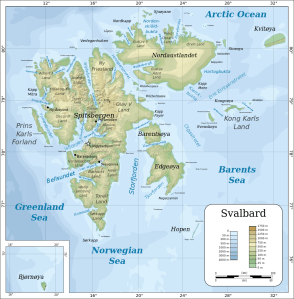
Through Polar Permaculture, he aims to solve one of the biggest headaches of life at 78 degrees north: obtaining fresh food while reducing waste. However, deciding to do something about the problem and making that happen are two very different things. The headaches are many. Average temperatures – while rising fast – are low year-round. In the winter there is no direct sunlight for four months, and no light at all for more than two of those. Even at the height of summer, mountaintops surrounding the settlement are topped with snow.
 One remarkable attribute of Swiss chard is that it’s packed with nutrients. “The World’s Healthiest Foods,” a website run by the nonprofit George Mateljan Foundation puts Swiss chard near the top of its list of “total nutrient rankings,” with only spinach and broccoli surpassing it. One cup of chopped, cooked Swiss chard provides 636% daily recommended intake (DRI/DV) of vitamin K, 60% DRI/DV vitamin A, 42% DRI/DV vitamin C, and many of the B vitamins. Even more impressive is the assortment of minerals loaded into each serving, many of which are difficult to derive from other foods.
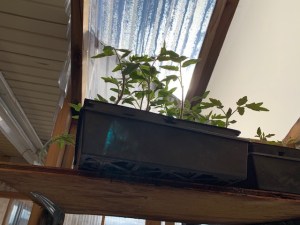


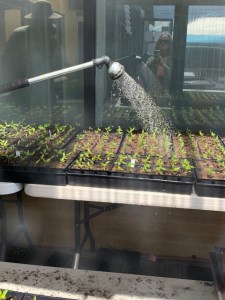


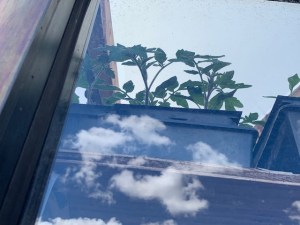
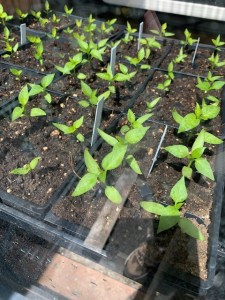

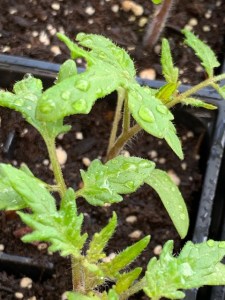
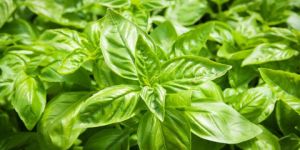 ‘The scientists, who grew basil in shipping containers and monitored every moment of the experiment, thought the basil would do better with some time in the dark to become the best basil it could be. They were surprised they were wrong.
 Dirt 2 Table